

THE HAKKA JOURNAL
2 vs 3 Bottle Sauce Warmer: Match Your Dessert Menu
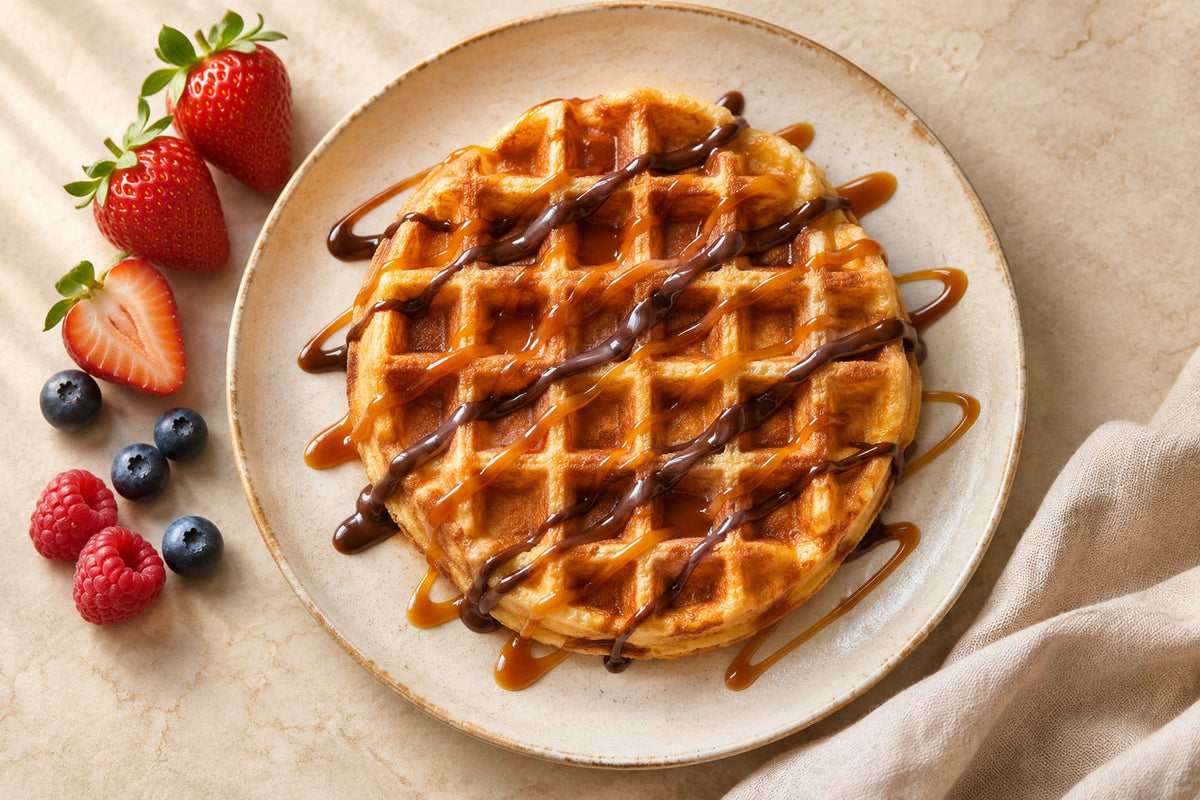
Choosing a 2 vs 3 bottle sauce warmer starts with the toppings that must be available together. A menu with ten desserts may rely on only two warm sauces; a shorter menu may need three different sauces at the same moment.
Before adding another warming position, map your menu, check bottle compatibility, and consider how staff reach, identify, and replenish each topping. Here is a practical comparison of the EasyRose FZ-022B and FZ-023B options.
Count sauces, not dessert names
Write each dessert on a separate row, then mark the sauces it uses. Group shared sauces together. Chocolate on a waffle and chocolate on a crepe are two menu uses of one topping, rather than two automatically separate warming requirements.
Next, identify which toppings actually require warming under your recipe and handling procedure. A berry topping offered alongside chocolate does not automatically need the same treatment. Count only the sauces that need a warming position during that service.

| Menu pattern | Simultaneous warm-sauce need | What to consider |
|---|---|---|
| Waffles and crepes sharing chocolate and caramel | Two sauces | A two-position setup may cover the menu. |
| Chocolate, caramel, and a third recipe-approved warm topping ordered together | Three sauces | Compare a three-position setup. |
| Two sauces, with repeated demand for the same one | Two sauce varieties | Review replenishment and access before assuming another flavor position is needed. |
2 vs 3 bottle sauce warmer: EasyRose options
The EasyRose FZ-022B two-grid sauce warmer lists two independent heating wells, 400W power, and a stainless steel body. Its description specifies two standard 32oz squeeze bottles, with bottles sold separately.
The EasyRose FZ-023B three-grid sauce warmer lists three independent heating wells, 600W power, and a stainless steel body. Squeeze bottles are also not included. Confirm the exact compatible bottle dimensions for this model before purchasing bottles.
Both product descriptions list adjustable controls from 105°F to 195°F. That is an equipment adjustment range, not a universal setting for every sauce. Select the process for the actual food and follow the equipment instructions; the dial alone does not establish the food's temperature.
The third position is useful when it serves a defined menu requirement. It does not, by itself, establish faster service or a particular number of orders per hour. More positions also mean more items to identify, monitor, and clean.
Check reach, replenishment, and bottle fit
Sketch the station from the employee's perspective. Mark where plates arrive, where toppings are applied, and where completed desserts leave. Keep the working order clear so staff do not repeatedly cross the same space for a second topping.
Then walk through a typical order using the planned layout. Can the employee identify the intended sauce immediately? Is there room to handle the bottle and return it without moving other station items? Check the manufacturer's installation and clearance requirements before finalizing placement.
A spare bottle and an additional heating position solve different problems. One may support your replenishment procedure; the other provides another warming location. Decide which problem you have before adding equipment. Only use compatible bottles and caps, following their temperature and use limits.

Before-you-buy checklist
- List the sauces required at the same time.
- Separate warm toppings from those served by another approved method.
- Check the exact model, well count, power requirements, and installation instructions.
- Verify bottle dimensions and material compatibility; bottles are not included.
- Plan bottle identification and a repeatable replenishment procedure.
- Allow access for operation and cleaning.
- Choose food-specific procedures instead of a universal dial setting.
If the delay involves several prep tasks rather than topping selection alone, our guide to reducing kitchen prep bottlenecks can help frame the wider review.
Sauce warmer FAQ
Does a three-position warmer make sense for only two sauces?
It may, if the additional position has a clear operational purpose. First confirm whether the bottleneck is access, replenishment, or another task. An unused position is not an automatic benefit.
Are squeeze bottles included with these EasyRose models?
No. Both product descriptions say bottles are not included. Check compatibility for the specific model before ordering them separately.
Can all sauces use the same temperature?
Do not assume so. Follow the requirements of each sauce and your operating procedure. Independent controls allow separate adjustments, but do not replace checking the food itself.
Which model should a small dessert counter choose?
Start with simultaneous warm-sauce demand, then confirm installation space and bottle compatibility. Two recurring warm sauces point toward evaluating FZ-022B; three simultaneous warm sauces justify comparing FZ-023B.
Keep exploring
All guides ↗
Commercial Ventilation Hoods That Fit Your Kitchen
Choose commercial ventilation hoods with the airflow, capture area, controls, and construction your kitchen needs for safer, cleaner production every shift
Read the guide
Choosing the Right Smoker Oven for Restaurants
Choose a smoker oven for restaurants with the capacity, temperature control, recovery time, and build quality needed for consistent commercial service.
Read the guide
Pizza Peel Size: Check the Head, Reach and Workspace
Choose a pizza peel by checking the working head, assembled reach, and station space. Review two Clivia detachable-handle options and a practical buying checklist.
Read the guide
Join the conversation