

THE HAKKA JOURNAL
Café Oven Batch Planning: Keep Breakfast Service Moving
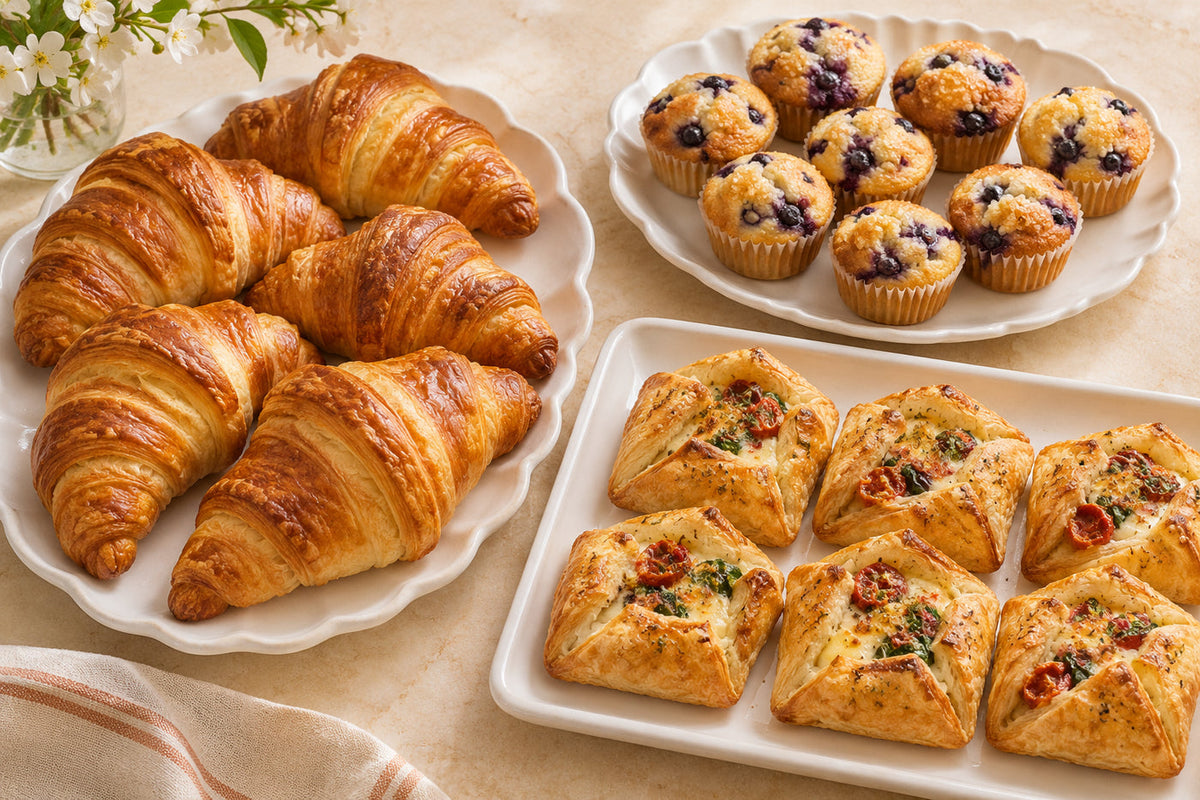
The morning counter needs croissants, muffins and a savory option. Each has a different preparation schedule, and a last-minute order now wants the same oven. Café oven batch planning starts by deciding which tasks can share a baking program and which need their own turn.
A useful plan connects the menu, the equipment and the handoff to service. It gives staff a sequence they can follow before opening, plus a clear way to handle replenishment without rewriting the morning around every order.
Build café oven batch planning around service needs
Start with the quantity needed at opening and the next expected replenishment. Keep those numbers separate. The opening display, the next batch and a special order are three commitments competing for the same oven time.
For each item, record the approved recipe or supplier instructions, preparation steps, oven program, pan arrangement and when the product is needed. Add the finishing work after baking: cooling where required, decorating, portioning and moving to service all need time and space.
Work backward from the service requirement using timings established for your recipe and equipment. Do not use a generic “pastry cycle” for every item. Croissants, muffins and filled pastries may have different instructions even though they share a breakfast display.

Separate tasks that need different oven programs
A cabinet with several rack positions still runs one chamber environment at a time. Before planning a shared load, check whether the foods have compatible temperature, timing, loading and handling requirements. Physical room on a rack is only one part of that decision.
If requirements differ, assign separate batches. When a recipe changes, review the group instead of assuming the new version belongs in the same load. Follow ingredient separation and food handling procedures throughout the preparation process.
| Task | Record before scheduling | Decision |
|---|---|---|
| Opening pastries | Required quantity, recipe program and finishing steps | Reserve the production slot needed before display setup. |
| First replenishment | Observed demand and preparation lead time | Assign its own slot rather than leaving it unplanned. |
| Different-program item | Temperature and loading requirements | Schedule separately when it cannot share the approved program. |
| Unexpected order | Current oven commitment and next available slot | Confirm a realistic service time before accepting the request. |
This is a scheduling framework, not a baking recipe. Fill in times from your own approved process and observations; the table does not prescribe cooking temperatures or completion checks.
Check usable pan capacity before adding batches
Count the compatible pans that can be used under the manufacturer's loading guidance and your recipe requirements. Pan dimensions, food height and the specified loading arrangement affect what belongs in a batch. Additional rack positions do not automatically establish a larger finished output.
The EasyRose FD-21 countertop convection oven lists three rack levels and a layout for quarter-size sheet pans. The EasyRose FD-47 countertop convection oven lists four levels and a half-size sheet-pan layout. These are two starting points for matching your existing pan system to the morning menu.
Confirm the exact pan dimensions, permitted loading and operating requirements before ordering. Use your normal menu items to evaluate the resulting batch size. The model descriptions provide equipment features, but do not establish an unverified number of muffins or croissants per hour.
Also include the time between loads in your plan. Staff need to remove and place pans, prepare the next load, and follow the required operating sequence. A schedule built only from the nominal baking period leaves those tasks without a slot.
Give finished food somewhere to go
A baking plan can stall after the oven is available again. The next tray may be ready to leave, but the landing area is occupied or nobody has been assigned to finish the previous batch.
Set a clear route from oven unloading to the required finishing stage and then to service. Allocate suitable space for each step, following your handling procedures. Keep order assembly from taking over the production landing area.

Assign a person to update the schedule when demand changes. Record what sold, when replenishment was requested, and whether the delay occurred in baking or afterward. That makes the next day's adjustment more useful than simply increasing every batch.
For a wider review of station handoffs, see our kitchen prep bottleneck guide. If you are deciding between cooking technologies, our convection versus combi oven comparison covers that separate equipment choice.
Before-opening and equipment checklist
- Write the opening quantity and replenishment target separately.
- Confirm each item's current recipe or supplier instructions.
- Identify which programs can share a load.
- Check pan fit, food clearance and permitted loading.
- Reserve time for loading, unloading and the next operating step.
- Assign finishing space and the handoff to service.
- Check installation space, electrical requirements and operating instructions before buying equipment.
- Log delays by cause so tomorrow's schedule can improve.
Café oven batch planning FAQ
Can different breakfast items bake together?
Only when their approved requirements and handling procedures support the same load. Similar appearance or an empty rack is not enough to establish compatibility.
Does one more rack mean one more full batch?
Not automatically. Evaluate pan fit, product height and permitted loading together with the recipe requirements.
Should every pastry be ready before opening?
Set that target from the menu and observed demand. Plan the opening quantity and subsequent production rather than treating the entire morning's forecast as one opening load.
When is a larger oven worth considering?
Consider it when repeated observations show compatible batches waiting for oven space. If the delay is in preparation or finishing, review that stage before increasing oven capacity.
Keep exploring
All guides ↗
How to Transport Hot Food for Catering Jobs
Learn how to transport hot food safely with insulated carriers, controlled loading, temperature checks, and efficient catering delivery procedures daily.
Read the guide
Fixed vs Tilting Meat Mixer: Which Setup Fits Your Prep?
Compare Hakka FME20, FME20T and FME10B meat mixers by tank design, manual or electric drive, batch rating and unloading workflow.
Read the guide
Burger Press Size: Patty Diameter vs Portion Weight
Understand burger press diameter, portion weight, and bun fit. Compare Hakka fixed-size and interchangeable models with a practical menu specification checklist.
Read the guide
Join the conversation